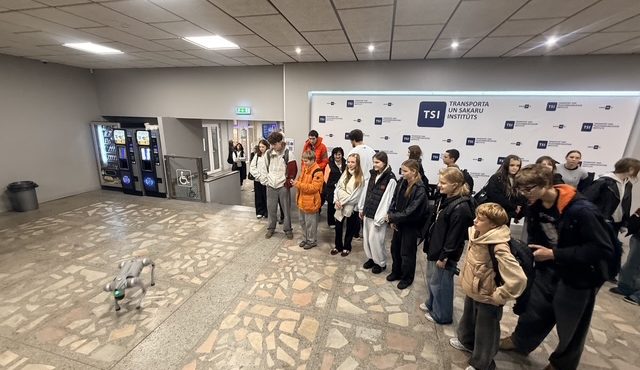
Science Without Borders 2026: When Knowledge Comes Together in a Single Adventure
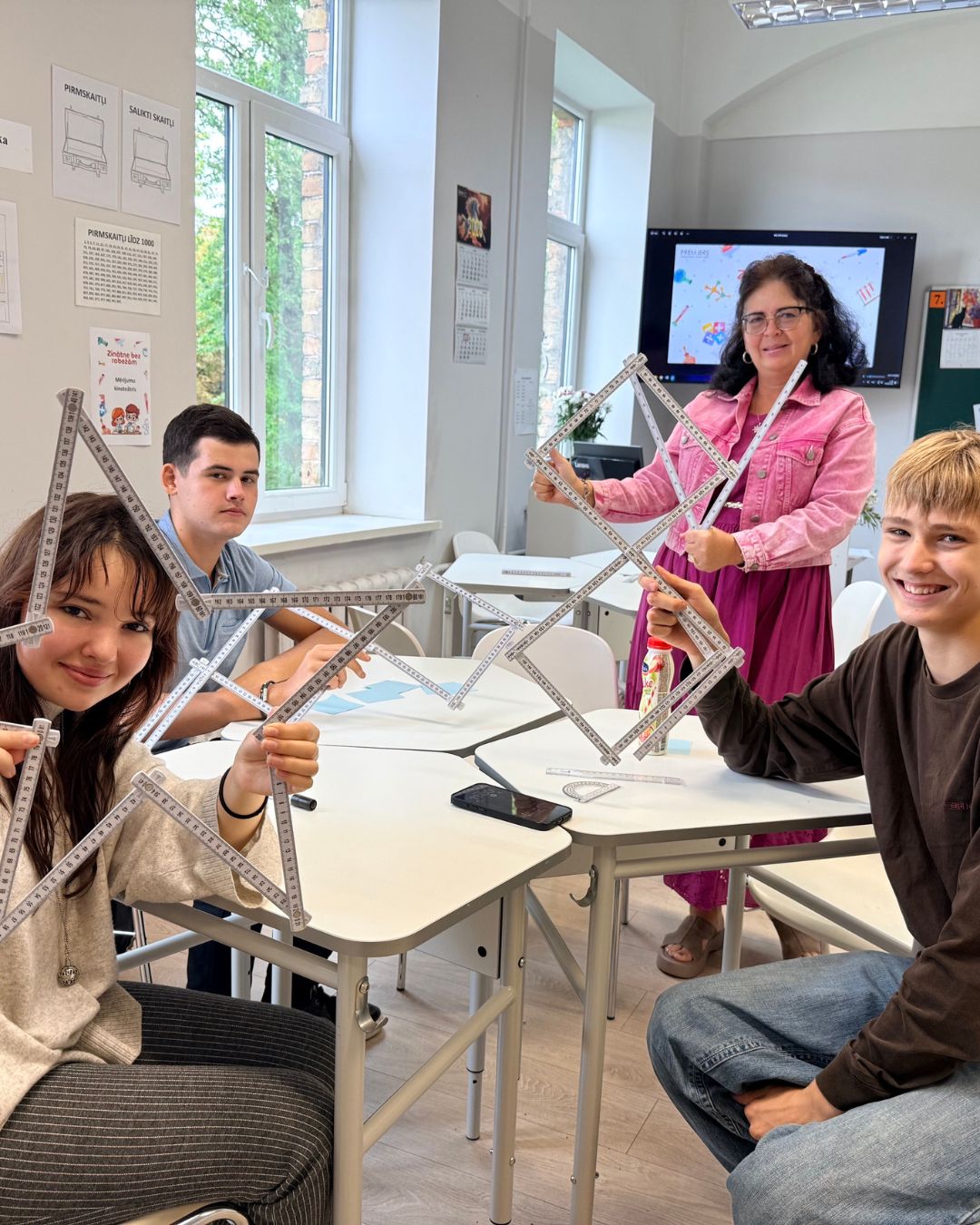
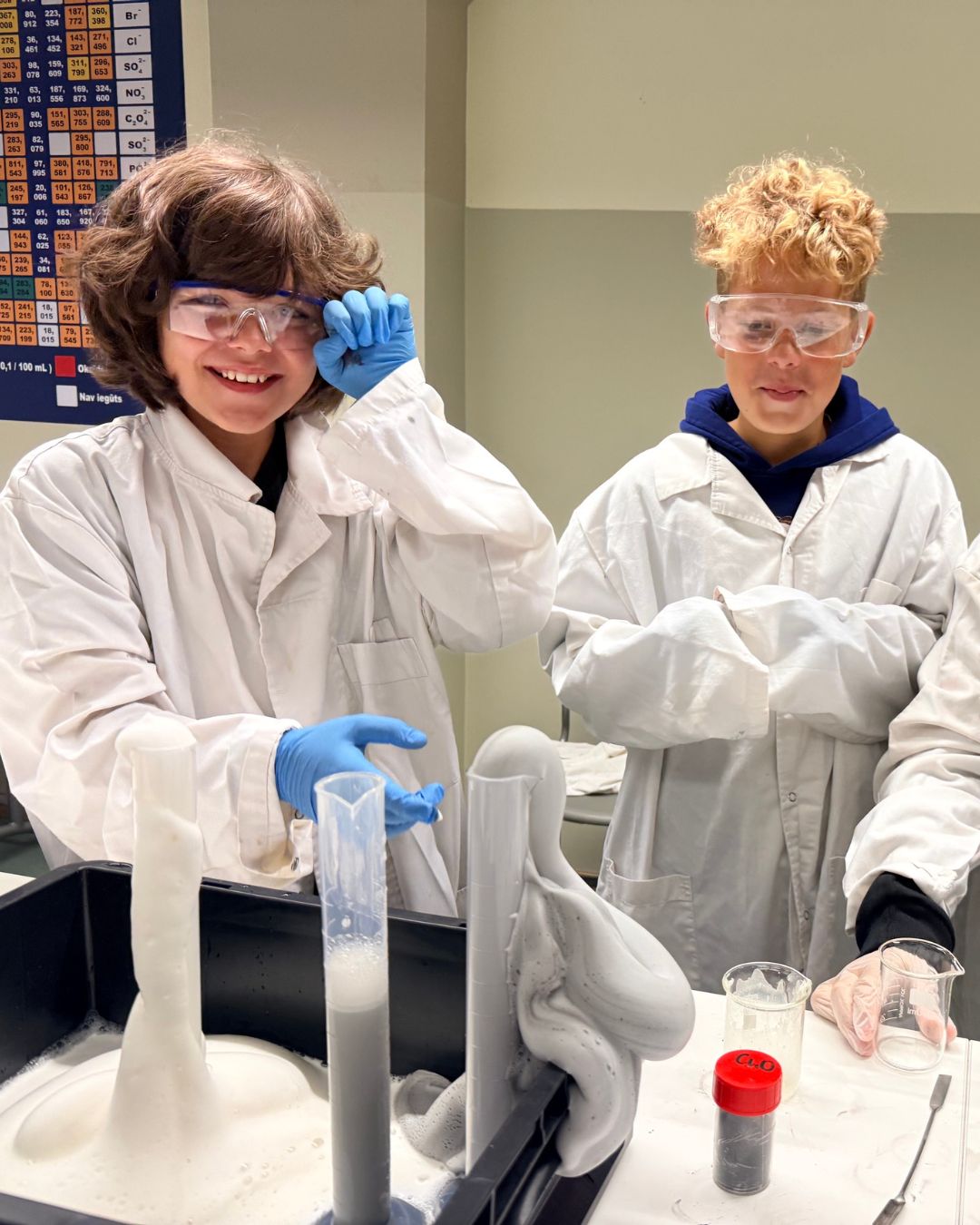
Our school hosted the science quest “Science Without Borders 2026,” during which students solved problems, conducted experiments, sought creative solutions, and worked in teams at various themed stations.
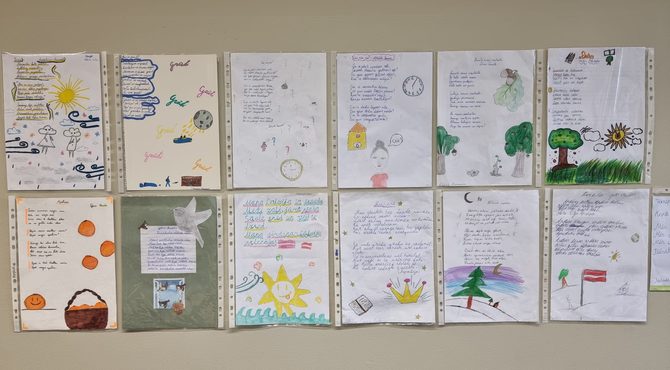
The main idea behind the event was to show that knowledge is not limited to the boundaries of individual school subjects. To successfully complete the tasks, students had to combine mathematics, physics, chemistry, biology, geography, IT, languages, and creative thinking. At one station, logic and precision were key; at another, attentiveness and knowledge; and at yet another, it was impossible to reach a solution without imagination, bold hypotheses, and successful teamwork.
It is precisely this approach that allows us to view learning in a broader context. In real life, problems rarely belong to just one subject area, which is why students had to look for connections between different subjects, evaluate possible solutions, and listen to their teammates’ ideas.
“Science Without Borders” was not just a competition, but also an opportunity to learn in a different way: practically, actively, and collaboratively. Tasks like these help develop the ability to think independently, ask questions, test ideas, and not settle for the first answer that seems correct.
Thank you to the teachers for setting up the stations and preparing the well-thought-out tasks, as well as to our students for their curiosity, enthusiasm, energy, and excellent teamwork.
Explore, think, collaborate, and find a solution—that’s exactly how a genuine interest in science begins.